National Gardening Month: Spring Gardening Tips for Danbury and the Candlewood Lake Area

Danbury and Candlewood Lake · Community Photo
April is National Gardening Month, and in Danbury and the greater Candlewood Lake area, it arrives with the particular energy that only New England spring delivers — the ground finally workable, the trees just starting to leaf out, and the sense that the long winter has genuinely ended. Connecticut's growing season is shorter than that of more southerly states, but it is also more focused, more intensely productive, and more deeply satisfying for the patience it requires. This is the month to get into the garden.
Why Spring Gardening in Western Connecticut Is Rewarding
The Danbury area's position at the base of the Litchfield Hills, with Candlewood Lake providing a water-adjacent microclimate and the surrounding agricultural land giving the region its rural character, makes it a genuinely appealing place to grow food.
According to research published in Clinical Medicine, gardening combines physical activity with social interaction and exposure to nature and sunlight — reducing blood pressure, increasing vitamin D, improving dexterity and strength, and providing aerobic exercise that rivals conventional gym workouts.
A 2024 umbrella review in Systematic Reviews found that gardening consistently improves wellbeing, reduces stress, and builds community connection. For Danbury residents who value the outdoor character of Western Connecticut and the community life that surrounds Candlewood Lake, a productive garden is one more dimension of that investment in place.
What to Plant in April in Danbury
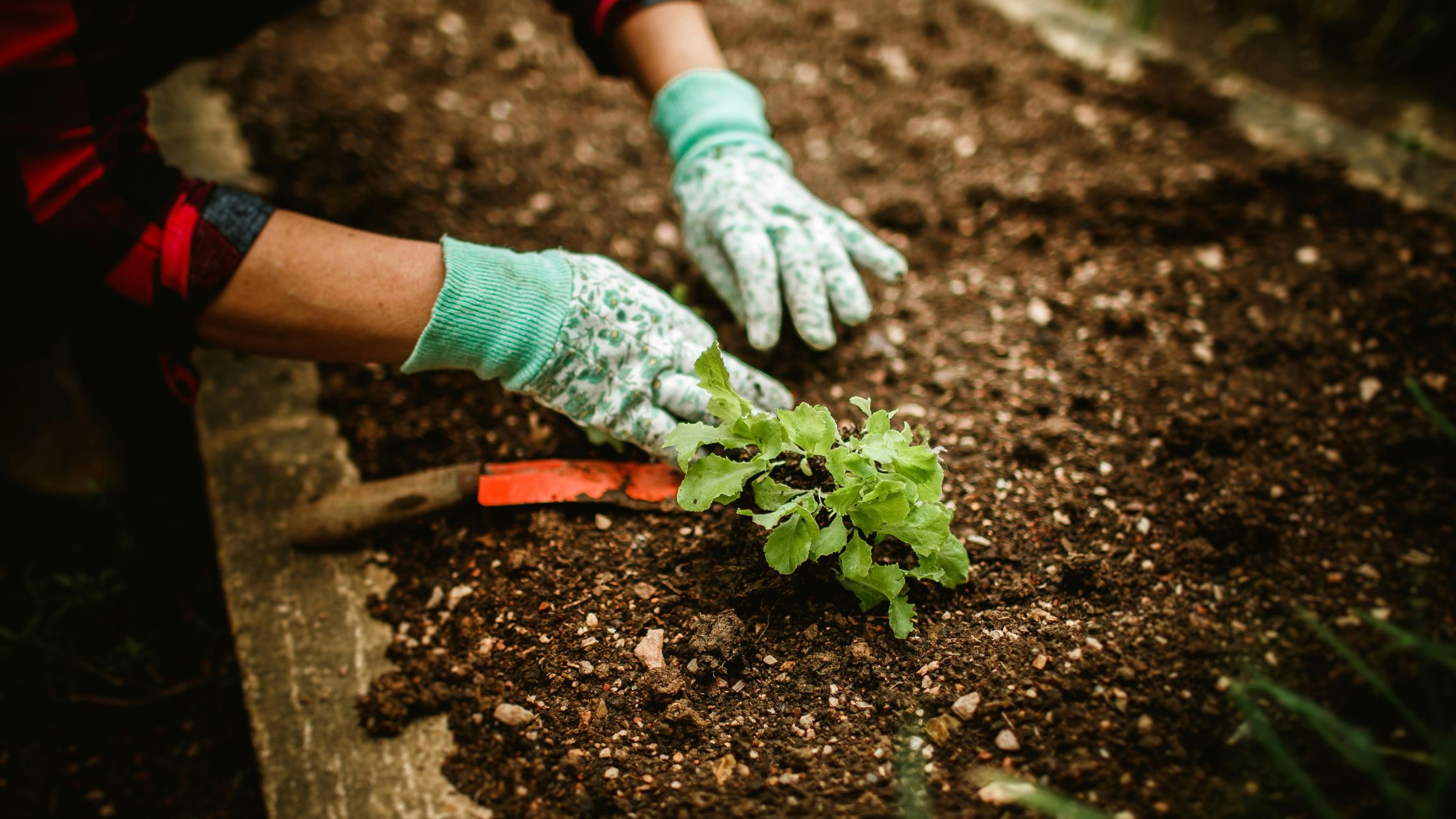
Connecticut falls in USDA Hardiness Zones 6a to 7a, with last frost dates between April 25 and May 15, depending on location and elevation. According to UConn's April Gardening Tips from the Home and Garden Education Center, April is the month to direct-sow peas, carrots, radishes, lettuces, and spinach every two weeks through mid-May for staggered harvests, and to plant seedlings of cauliflower, cabbage, and broccoli once the weather settles.
Moscarillo's Garden Shoppe's Connecticut guide confirms that April is ideal for leafy greens, root vegetables (carrots, beets, radishes, turnips), and brassicas like cabbage and broccoli as transplants. Onion sets can go in now as well. Warm-season crops — tomatoes, peppers, squash, cucumbers — should wait until after the last frost date, which for Danbury falls in late April to early May.
Preparing Connecticut Soil for Spring Planting
Connecticut soils in the greater Danbury area vary from the rocky glacial soils of the Litchfield Hills to the richer loam of the Housatonic River Valley, but most residential garden soils benefit from annual amendment. According to UConn's vegetable garden basics guide, a soil test from the UConn Soil and Nutrient Analysis Laboratory is the best starting point — identifying pH and nutrient gaps before investing in plants and amendments.
Working compost or aged manure into the top 6 to 8 inches of garden beds improves both drainage and fertility, and is particularly important in clay-heavy soils where compaction from winter can restrict root growth. April is the ideal time for this bed preparation work because the soil has thawed and dried enough to work on without further compacting it.
Beginner Tips for Danbury Area Gardeners
For residents new to gardening in Western Connecticut, the short season is actually an asset in disguise — it focuses attention, clarifies variety selection, and produces the particular satisfaction of a season with a clear arc from first seed to final harvest. According to UConn's vegetable gardening guide, the key test for planting readiness is simple: take a handful of soil and squeeze it.
If it crumbles, the soil is ready to work. If it stays in a ball, it's still too wet. Starting with cool-season crops now — peas, lettuce, spinach, and radishes — gives immediate gardening satisfaction while the warm-season crops wait for post-frost transplanting in May. Connecticut's agricultural extension system is among the most robust in New England, and the UConn Home and Garden Education Center provides free expert advice by phone and email to any Connecticut gardener with a question.
Looking for more seasonal gardening tips? Take a closer look at guides on Discover Danbury and Candlewood Lake. Interested in homes with great outdoor space? Speak with Lisa Weisenberger at Luks Realty to explore local options.
Sources: Clinical Medicine — Gardening for Health, Systematic Reviews — Gardening and Wellbeing Meta-Analysis, UConn Home and Garden Education Center — April Tips, Moscarillo's Garden Shoppe — What to Plant in April in CT, UConn — Vegetable Garden Basics