In today’s consumer landscape, staying informed about product recalls isn’t just helpful—it’s essential for your family’s safety, especially for residents in areas like Danbury, Connecticut. From contaminated hand soaps to faulty ladders, dangerous products can find their way into our homes despite regulatory efforts. Being proactive about recall information could be the difference between a close call and a serious incident. This article will guide you through the essentials of monitoring and responding to product recalls effectively, helping you protect your household from unexpected dangers.
Stay Vigilant: Mastering the Essentials of Product Recall Alerts
- A comprehensive list of recalled products – stay informed on class action recalls through official channels. Source: patch.com
Staying updated on product recalls requires creating a simple but consistent routine to check reliable information sources. Make it a habit to visit websites like the U.S. Food and Drug Administration (FDA), Consumer Product Safety Commission (CPSC), and Department of Agriculture (USDA) at least once a month. These agencies provide accurate information about recalled products ranging from contaminated food items to dangerous household goods. Many offer email newsletters or mobile apps that deliver recall notifications directly to you, eliminating the need to remember to check manually.
Recent examples highlight why this vigilance matters. The recall of DermaRite hand soaps contaminated with bacteria that could cause severe health issues demonstrates how even everyday products can pose serious risks. Similarly, Werner utility ladders sold at Home Depot were recalled after causing injuries, including fractures and head trauma, when their locking mechanisms failed. By regularly scanning recall notices, particularly for categories of products you frequently purchase—such as children’s items, food products, and household appliances—you create a crucial safety net for your family and neighborhood.
- Recognize severe recall risks: Avoiding life-threatening dangers like bacterial contamination in consumer goods. Source: patch.com
Understanding recall classifications helps you assess the urgency of each situation and respond appropriately. The FDA uses a three-tier system: Class I recalls involve products that could cause serious health problems or death, such as the contaminated hand soaps that posed a risk of severe illness. Class II recalls involve products that might cause temporary or medically reversible adverse health consequences, like the mislabeled 7Up soft drinks containing full sugar instead of zero sugar. Class III recalls involve products unlikely to cause adverse health reactions but that violate regulatory standards.
Beyond classification, pay attention to the specific hazards described in recall notices. For instance, the recent recall of Drinkmate carbonation bottles highlighted an explosion risk that had already caused cuts, impact injuries, and hearing damage. Similarly, the recall of potentially radioactive shrimp distributed across multiple states demonstrates how contamination can introduce unseen risks. Learning to recognize these risk descriptions helps you prioritize which recalls require immediate attention in your household and which should be shared with neighbors who might be affected, especially vulnerable populations such as seniors or families with young children.
When you discover you own a recalled product, taking swift action is crucial to protecting yourself and your family. First, immediately stop using the product and isolate it, especially if it’s a food item, medication, or something children might access. Next, carefully check the recall notice for specific details like lot numbers, UPCs, or expiration dates to confirm your product matches the affected items. For example, the recalled Dollar General coffee affected only specific lot numbers with particular “best by” dates, not all of their coffee products.
After confirming your product is included in the recall, follow the manufacturer’s instructions exactly as outlined in the recall notice. This might involve returning the product to the store for a refund, contacting the company for a replacement, or, in some cases, properly disposing of the item. Keep documentation of your purchase and any communication with the company about the recall, especially if you’ve experienced any adverse effects from the product. The recalled Werner ladders, for instance, entitled consumers to a full refund, but only if they followed the proper procedures outlined in the recall notice.
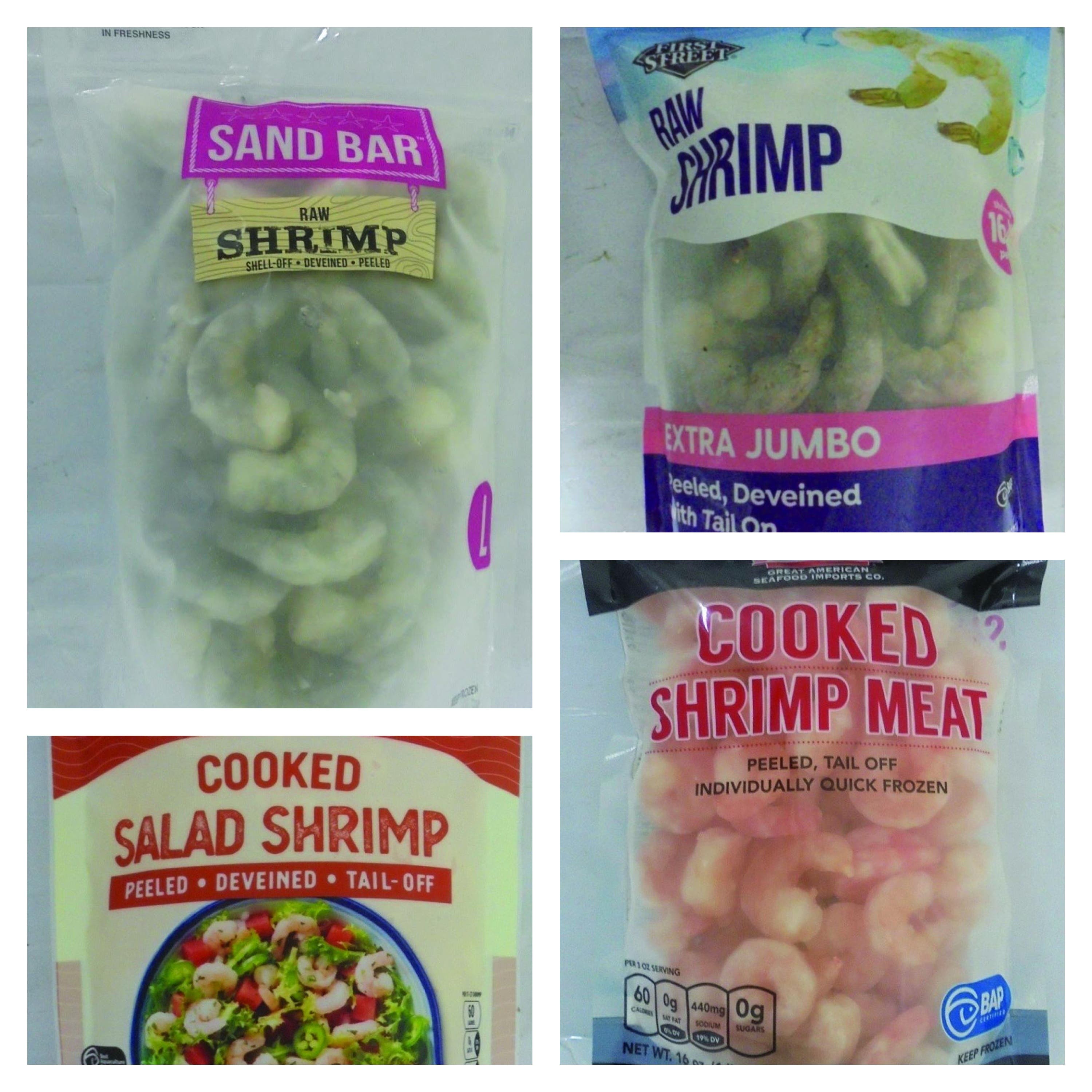
- Report product safety concerns: A broad spectrum of consumer goods could pose risks before official recalls are issued. Source: patch.com
Consumer vigilance plays a crucial role in identifying unsafe products before they harm others. If you experience unusual issues with a product—such as unexpected illness after consuming food, a mechanical failure in a household appliance, or a safety concern with a child’s toy—report it promptly. The FDA, CPSC, and other regulatory agencies maintain reporting systems specifically for consumer complaints, and these reports often trigger investigations that lead to recalls before widespread harm occurs.
When filing a report, provide as much specific information as possible: product name, where and when you purchased it, lot numbers if available, and a detailed description of the problem you experienced. For example, the recall of 32,000 pounds of meat products from Sabrositos Hondurenos LLC came after authorities discovered falsified inspection marks—something a vigilant consumer might have noticed and reported. Your neighborhood benefits when everyone takes responsibility for reporting suspicious products, as early detection can prevent injuries, illnesses, or even fatalities within your community.
Header Image Source: AI-generated image
